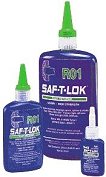
Bearing Gap Fillers

rulman boşluk doldurucu

Maintaining the integrity of rotating machinery requires more than just standard lubrication. Bearing gap fillers serve as a critical barrier, preventing the ingress of contaminants like dust, moisture, and fine metal particles into the bearing housing. When we talk about protecting your assets, the precision of these gap fillers determines the lifespan of your entire assembly. At TPM Engineering, we specialize in providing high-grade solutions that ensure your bearings operate in a clean, controlled environment, even under the hars Lund conditions.

The effectiveness of these components depends heavily on their material density and physical properties. A poorly chosen filler can lead to overheating or uneven pressure distribution. Our selection focuses on high-durability materials designed to bridge the gap between the bearing and the housing perfectly. Whether you are dealing with heavy-duty mining equipment or high-speed precision motors, selecting the right bearing gap fillers is a decision that directly impacts your maintenance intervals and downtime costs.

Understanding the Two Primary Types of Gap Fillers

In the industrial landscape, bearing gap fillers are generally categorized into two distinct types based on their structural density and sealing strength. We classify these as R01 and R80. The distinction between these two is not just a matter of nomenclature; it represents a significant difference in how they handle environmental stressors and mechanical loads. Choosing between them requires a deep understanding of your specific application’s vibration and temperature profiles.

The R01 series is often referred to as the “weaker” or more flexible variant. It is ideal for applications where a certain level of compliance is needed to accommodate minor axial movements or thermal expansion. On the other hand, the R80 type represents the “stronger” or more rigid category. This version provides a much more robust seal, making it the preferred choice for high-pressure environments where preventing even the smallest particle intrusion is the top priority. We recommend analyzing your bearing’s clearance before deciding which type fits your operational needs.

The R01 Retainer: Precision and Flexibility

The R01 Retainer is a specialized component designed for specific bearing geometries where a rigid seal might actually cause premature wear. Because it possesses a slightly lower density, it can absorb micro-vibrations without transferring excessive stress to the bearing races. This makes it an excellent choice for medium-duty applications where the environment is relatively controlled but still requires a layer of protection against ambient dust.

When installing R01 retainers, precision is everything. If the fit is too loose, the gap filler fails its primary purpose; if it is too tight, it can interfere with the lubricant’s ability to circulate. Our technical team at TPM Engineering can assist you in calculating the exact tolerances required for your specific setup. We have seen many clients significantly extend their bearing life simply by switching from standard grease-only methods to a structured R01 retainer system.

Technical Comparison: R01 vs. R80 Performance

To help you make an informed decision, we have outlined the fundamental differences between the two primary bearing gap fillers we supply. This comparison focuses on the mechanical behavior and the intended use cases for each product type.

FeatureR01 Series (Flexible)R80 Series (Rigid)
Seal StrengthModerate – focused on dust preventionHigh – focused on heavy contaminant exclusion
Material DensityLower density, more compliantHigher density, more structural
Primary Use CaseStandard industrial motors, light vibrationHeavy machinery, mining, high-pressure zones
Thermal ExpansionAccommodates expansion wellProvides a stable, fixed barrier

Key Benefits of Implementing Advanced Gap Fillers

Implementing high-quality bearing gap fillers into your maintenance strategy offers several measurable advantages. It is not just about preventing dirt; it is about optimizing the entire lubrication ecosystem within the bearing housing. When the gap is properly filled, the lubricant stays where it belongs, and the contaminants stay out.

  • Extended Lubricant Life: By preventing oxidation and moisture ingress, the chemical properties of your grease remain stable for much longer periods.
  • Reduced Friction and Heat: A consistent barrier prevents abrasive particles from entering the contact zone, which is the leading cause of localized overheating.
  • Lower Maintenance Frequency: Fewer contamination-related failures mean your technicians spend less time on unplanned repairs and more time on predictive maintenance.
  • Protection Against Water Ingress: In humid or wash-down environments, the R80 type provides a much-needed shield against moisture-induced corrosion.

Critical Factors for Selecting the Right Product

Selecting the correct bearing gap fillers is not a one-size-fits-all process. You must evaluate several environmental and mechanical variables. First, consider the “cleanliness” of your operating environment. If you are working in a steel mill with heavy metallic dust, the R80’s strength is non-negotiable. If you are in a clean-room or a controlled factory setting, the R01 might offer the flexibility your system needs.

Second, temperature fluctuations play a massive role. Materials expand and contract. If your machinery undergoes significant temperature swings between startup and full load, a gap filler that is too rigid might cause mechanical interference. We often suggest testing the thermal coefficient of your housing material alongside the gap filler properties. Our engineers can provide detailed data sheets to help you bridge this technical gap.

Maintenance Best Practices for Bearing Seals

Even the best gap fillers require proper installation and periodic inspection. A common mistake I have observed in the field is the “over-greasing” of bearings that already contain a high-quality retainer. Excessive grease can actually push the gap filler out of its intended position, creating a bypass for contaminants. You must ensure that the volume of lubricant is compatible with the volume of the gap filler present.

Regularly inspect the edges of the retainer for signs of wear or deformation. If you notice any “bleeding” of dark, contaminated grease, it is a clear signal that the gap filler’s integrity has been compromised. Replacing a gap filler is a relatively inexpensive task compared to the catastrophic cost of a seized bearing. We recommend a scheduled inspection every 6 months for high-load applications.

Frequently Asked Questions

Can I use R01 and R80 interchangeably?

While you can physically fit them in many similar housings, it is not recommended. The R01 lacks the structural rigidity needed for high-pressure environments, while the R80 may be too stiff for applications requiring thermal expansion compensation. Always match the type to your specific load and environment.

How do I know if my current gap filler is failing?

Look for signs of contamination in your grease, unusual noise from the bearing, or increased operating temperatures. If the grease appears gritty or contains dark particles, your gap filler is likely no longer providing an effective barrier.

Does TPM Engineering provide custom sizing?

Yes, we specialize in providing solutions that meet specific industrial requirements. If standard R01 or R80 dimensions do not meet your needs, please contact our technical department for a consultation regarding custom-fit options.

Contact TPM Engineering for Expert Solutions

Choosing the right bearing gap fillers is an investment in your machinery’s future. At TPM Engineering, we bring decades of industrial experience to help you navigate the complexities of sealing and lubrication. Whether you need the flexible protection of the R01 or the heavy-duty barrier of the R80, our team is ready to provide the technical expertise and high-quality products your operations demand.

Don’t wait for a bearing failure to rethink your sealing strategy. Contact us today to request a technical consultation or a formal quote for your specific requirements. Our specialists are available to discuss your application details and ensure you receive the most efficient solution for your industrial needs.

R01 Retainer

Teklif Al