C-44

C-44

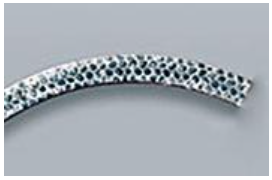
JM CLIPPER C-44 is obtained by interlocking Pure Carbon Fibers impregnated with PTFE lubricant. It has a very low friction coefficient due to its composition of Pure Carbon and PTFE lubricant.

When industrial operations demand extreme durability, the C-44 Clipper stands out as a specialized sealing technology. This advanced material is engineered through a precise process of interlocking pure carbon fibers impregnated with PTFE lubricant. This unique structural composition ensures that the gland packing maintains its integrity even under intense mechanical stress. By combining the structural strength of carbon with the self-lubricating properties of PTFE, we provide a solution that significantly reduces heat buildup during high-speed rotations.

The primary advantage of using this specific material lies in its incredibly low friction coefficient. Because the PTFE lubricant is embedded directly within the fiber matrix, the surface remains smooth and consistent throughout its service life. You won’t encounter the sudden friction spikes often seen in lower-grade graphite packings. This stability is vital for protecting expensive shaft surfaces from premature wear and tear, especially in continuous 24/7 manufacturing cycles.

Advanced Composition: Pure Carbon and PTFE Synergy

The secret to the C-44’s performance is the way the fibers are treated. We don’t just coat the surface; the interlocking pure carbon fibers impregnated with PTFE lubricant create a monolithic-like structure. This means that as the packing compresses, the lubricant stays exactly where it is needed most—at the interface between the shaft and the seal. This prevents the “dry running” scenarios that often lead to catastrophic pump failure in heavy industries.

Engineers often choose this material when they need to balance thermal conductivity with chemical resistance. The carbon fibers act as a heat sink, pulling thermal energy away from the friction zone, while the PTFE component provides a chemical barrier. This dual-action mechanism makes the C-44 a top-tier choice for high-temperature applications where traditional organic packings would simply disintegrate or lose their shape.

Unmatched Performance in Corrosive Environments

Chemical processing plants face a constant battle against acidity and alkalinity. The C-44 Clipper is specifically designed to thrive in these aggressive settings. It excels in environments containing caustic and acidic chemicals, where standard seals might swell or degrade. Whether you are handling concentrated sulfuric acid or highly alkaline pulping solutions, the chemical inertness of the PTFE-imtemed fibers provides a reliable barrier against leakage.

We have seen significant success in the following industrial sectors:

  • Pulp and Paper: Ideal for pulpers and chipboard-MDF applications where abrasive fibers are present.
  • Chemical Processing: Perfect for reactors and mixers handling corrosive reagents.
  • Steel Manufacturing: Reliable performance in scaled water pumps and sludge handling.
  • Water Treatment: Durable enough for waste water and heavy sludge pumps.

Optimizing Industrial Pump Longevity

Maintenance costs are often driven by frequent seal replacements and shaft repairs. By implementing the C-44 Clipper, you are investing in a longer Mean Time Between Failure (MTBF). The low friction coefficient reduces the torque required to drive the pump, which can lead to subtle but measurable energy savings over a year of operation. When the friction is minimized, the mechanical load on the motor and bearings is also reduced.

In many cases, switching to this carbon-based packing allows for higher operational speeds. If your current pump is limited by heat-induced seal failure, the C-44’s ability to dissipate heat through its carbon structure might allow you to push your production limits. It is a strategic upgrade rather than just a simple replacement part.

Technical Specifications and Material Properties

Understanding the technical nuances helps in selecting the right grade for your specific machinery. The C-44 is not a “one size fits all” product, but its core properties remain consistent across various dimensions. The interlocking nature of the fibers ensures that the packing maintains its cross-sectional shape under high gland pressure.

PropertyPerformance Characteristic
Material BaseInterlocking Pure Carbon Fibers
Lubricant TypePTFE (Polytetrafluoroethylene)
Friction LevelExtremely Low (Self-Lubricating)
Chemical ResistanceHigh (Acids, Alkalis, and Caustics)
Primary Use CasePumps, Mixers, and Autoclaves

Application Versatility: From Mixers to Autoclaves

The versatility of the C-44 Clipper extends far beyond simple centrifugal pumps. In the production of MDF and chipboard, the presence of heavy organic matter requires a seal that can resist abrasion. The C-44 handles these “dirty” fluids without the fibers breaking down. Similarly, in autoclave operations, where pressure and temperature fluctuate rapidly, the structural stability of the carbon fibers prevents the packing from extruding.

We also recommend this material for heavy-duty mixers. In these applications, the agitation of thick, viscous fluids creates significant drag. The low friction coefficient of the PTFE-impregnated fibers ensures that the seal does not become a point of excessive heat generation, which could otherwise alter the temperature of the chemical batch being processed.

Comparison: C-44 vs. Standard Graphite Packing

Many operators ask why they should move away from standard graphite. While graphite is excellent for many uses, it lacks the specific structural reinforcement found in the C-41 Clipper. Standard graphite can sometimes “slough off” or erode under high-velocity fluid flow. The interlocking pure carbon fibers in the C-44 are much more resistant to this erosive force.

Consider these key differences:

  1. Lubrication Retention: C-44 uses impregnated PTFE, meaning the lubricant is part of the fiber structure, whereas standard graphite relies on surface-level additives.
  2. Abrasion Resistance: The carbon fiber matrix in C-44 is significantly tougher against abrasive particles like sand or wood chips.
  3. Thermal Stability: C-44 maintains a more consistent friction coefficient as temperatures rise, preventing the “seizing” effect.

Frequently Asked Questions

Can C-44 be used in high-pressure steam applications?

Yes, the C-44 is highly effective in steam-related applications, particularly in pumps where temperature fluctuations are common. The carbon structure handles the thermal expansion well.</

How often should I inspect the C-44 packing?

While the C-44 is designed for long service life, we recommend inspecting the gland leakage rates during your standard monthly maintenance cycles. If you notice an increase in drip rate, it may be time for a replacement.

Does the PTFE lubricant wash away in high-flow water pumps?

No. Because the PTFE is impregnated within the interlocking pure carbon fibers, it is much more resistant to being washed out by high-velocity fluid compared to surface-coated packings.

Contact TPM for Professional Sealing Solutions

Choosing the right sealing material is a decision that impacts your entire production line’s efficiency. At TPM, we don’t just provide products; we provide technical expertise to ensure your pumps and systems operate at peak performance. If you are dealing with frequent seal failures, chemical corrosion, or excessive heat in your pump glands, our team is ready to assist with a customized solution.

Contact us today to request a technical consultation or a formal quotation for the C-44 Clipper. Our specialists can help you analyze your current operating conditions to ensure you get the maximum ROI from your sealing components.

Get a Quote Now
Please fill out our inquiry form to receive detailed information about our products and services. Our technical team will respond promptly to your specific requirements.

Teklif Al