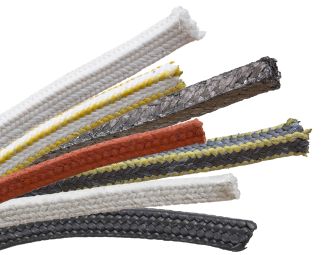
Soft Packings: High-Performance Industrial Sealing Solutions

In heavy-duty industrial operations, even a microscopic leak can escalate into a catastrophic system failure. Soft packings serve as the primary defense mechanism in high-pressure lines, preventing the uncontrolled escape of fluids from critical components. Whether you are managing centrifugal pumps or complex valve assemblies, the integrity of your sealing elements dictates your plant’s uptime. We focus on providing materials that withstand the rigel of modern manufacturing, ensuring that your pressurized systems remain stable under extreme thermal and mechanical stress.

Choosing the right soft packings involves more than just matching a diameter. You must account for the chemical compatibility of the medium, the rotational speed of the shaft, and the specific pressure gradients present in your setup. A mismatch here leads to rapid degradation of the packing material, causing shaft scoring and frequent maintenance intervals. At Tpm, we analyze these variables to provide sealing solutions that extend the lifecycle of your hardware.

Critical Parameters for Selecting Soft Packings

Selecting a sealing element requires a deep dive into the operational environment. Temperature is often the first variable we examine. If your system handles steam at 200°C, a standard graphite packing might suffice, but if you are dealing with aggressive acids, the chemical resistance of the binder becomes the deciding factor. We often see engineers overlook the “swelling” effect—where certain polymers expand when exposed to specific oils, eventually causing the shaft to seize.

Pressure gradients also play a decisive role in performance. High-pressure environments demand a packing density that can resist extrusion without creating excessive friction. If the packing is too soft, it might squeeze out of the gland; if it is too hard, it won’t conform to the shaft irregularities. You should evaluate these three core metrics before finalizing your order:

  • Chemical Compatibility: Ensure the material does not react with the pumped medium.
  • Thermal Stability: Verify the operating temperature stays within the material’s safe range.
  • Mechanical Load: Consider the shaft speed (RPM) and the resulting frictional heat.

The Fundamental Structure of Sealing Elements

The architecture of high-quality soft packings is a complex balance of fibers and lubricants. Most premium solutions utilize a core of high-strength synthetic or natural fibers—such as PTFE, Aramid, or Carbon—which provide the structural skeleton. These fibers are then impregnated with specialized lubricants or fillers like graphite to reduce friction and dissipate heat during high-speed rotation.

The way these layers are braided or compressed determines the final sealing efficiency. A well-constructed braided packing offers a multi-directional seal, meaning it can handle both radial and axial loads simultaneously. When we inspect a failing packing, we often find that the internal structure has collapsed due to poor-quality fillers, leading to “dry running” conditions that destroy the expensive metal shaft.

Common Applications in Valves and Pumps

In the world of fluid dynamics, pumps and valves are the heart of the system, and soft packings are their protective skin. In centrifugal pumps, the packing must maintain a delicate balance: it needs to be tight enough to prevent leakage but loose enough to allow a microscopic film of fluid to lubricate the shaft. Without this thin liquid film, the friction increases exponentially, leading to rapid thermal expansion and eventual failure.

Valve applications present a different challenge. Here, the movement is linear rather than rotational. The packing must withstand the repeated compression and decompression cycles of the valve stem without losing its “memory” or elasticity. We frequently work with clients in the petrochemical and water treatment sectors where the reliability of these valve seals is non-negotiable for environmental safety.

Types of Packings for Diverse Industrial Needs

Not all industrial fluids are created equal, and neither are the materials used to contain them. Depending on your specific application, you might require a specialized grade of packing. For instance, PTFE-based packings are the gold standard for high purity and chemical inertness, making them ideal for food processing or pharmaceutical lines where contamination is a risk.

On the other hand, carbon-based packings are preferred for high-temperature, high-pressure steam applications due to their incredible thermal conductivity. Below is a comparison of common materials used in our sealing solutions:

Permeability

Material TypeBest ForKey Advantage
PTFE (Teflon)Aggressive ChemicalsExtreme Chemical Inertness
GraphiteHigh TemperatureExcellent Heat Dissipation
Aramid (Kevlar)High Pressure/AbrasionSuperior Tensile Strength
Cotton/SyntheticWater/Low TempCost-Effective for Basic Use

Maintenance Tips for Sustainable Performance

Preventative maintenance is significantly cheaper than emergency repairs. When replacing soft packings, never reuse old gland nuts or damaged shaft sleeves. We have seen many cases where a brand-new, high-performance packing failed within 48 hours simply because the installer failed to clean the old residue from the stuffing box. This residue acts as an abrasive, grinding away the new material.

Another tip: monitor the “leakage rate” during the initial run-in period. A small, controlled drip is often necessary for cooling and lubrication in many pump setups. If the drip stops entirely, you might be over-tightening the gland, which creates excessive friction and heat. We recommend a systematic approach to gland adjustment:

  1. Clean the stuffing box thoroughly before installation.
  2. Ensure the packing rings are cut at a precise 90-degree angle to avoid gaps.
  3. Tighten the gland incrementally, checking for temperature rises.
  4. Observe the drip rate for at least one hour of continuous operation.

Frequently Asked Questions

How do I know when it is time to replace my soft packings?

The most obvious sign is an increase in visible leakage. However, you should also look for secondary symptoms like unusual vibration, increased noise from the pump, or a noticeable rise in the temperature of the gland area. If you notice the shaft surface looks “scored” or scratched, your packing has likely failed and is causing mechanical damage.

Can I use the same packing for both water and chemicals?

Generally, no. While some universal packings exist, using a water-grade packing in a chemical environment can lead to rapid degradation. Chemicals can leach the lubricants out of the packing, leaving the fibers brittle and prone to breaking. Always verify the chemical compatibility matrix before switching materials.

Does the thickness of the packing affect the seal?

Yes, the cross-sectional area of the packing determines how much pressure can be applied to the shaft. If the packing is too thin, it won’t provide enough resistance to the fluid pressure; if it is too thick, you may struggle to achieve a tight enough fit without over-stressing the gland components.

Optimize Your System Performance Today

Reliable sealing is the foundation of industrial efficiency. By selecting the correct soft packings and adhering to professional installation standards, you can drastically reduce downtime and extend the life of your most expensive machinery. At Tpm, we don’t just sell products; we provide the technical expertise needed to ensure your operations remain leak-free and stable.

Ready to upgrade your sealing strategy? Contact our technical team today to discuss your specific requirements and find the perfect solution for your high-pressure systems.

Contact Tpm: tpm@tpm.com.tr | Phone: +90 216 549 26 27

Teklif Al